A flexible sigmoidoscopy is an examination of the left half of your large bowel (otherwise known as the large intestine or the colon).
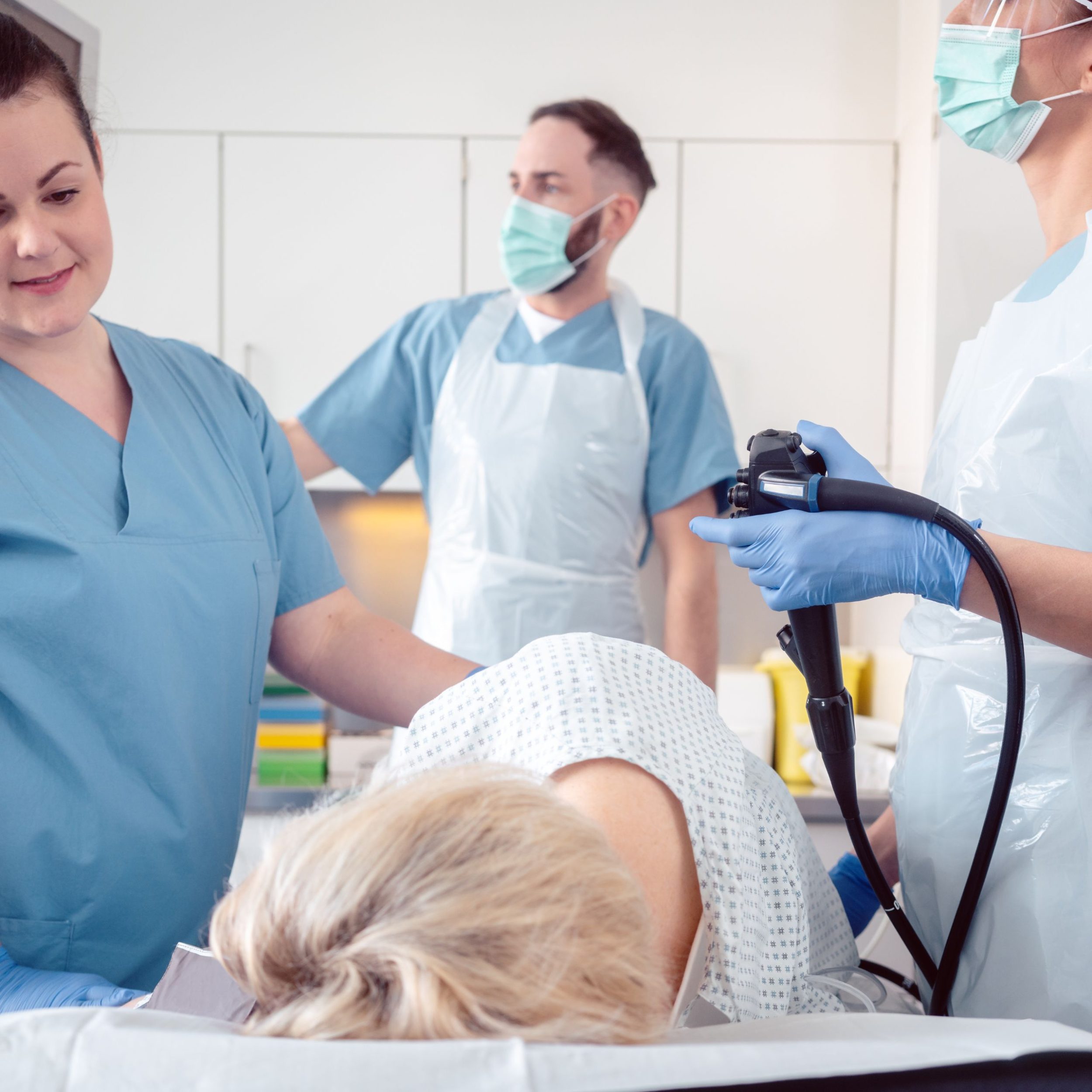
This examination is carried out using a piece of equipment called a flexible sigmoidoscope, or its longer version, the colonoscope. This is essentially a long, thin, bendy tube with a light and a camera at one end. The camera transmits pictures of the inside of your body straight onto a telly screen for our specialist to have a good look at.
During the investigation, our specialist might need to take some small tissue samples, known as biopsies, from the lining of your large bowel for further analysis. Rest assured, this is completely painless. We may also take photographs for your medical records.
There are a few reasons why your doctor might recommend this test, and they’ll go through this with you.
Common reasons include:
A flexible sigmoidoscopy is like a colonoscopy but examines only the lower part of the large bowel (the sigmoid colon and rectum). It is usually a shorter procedure and may be performed with minimal or no sedation, depending on your preference and clinical need. This test helps identify causes of symptoms such as rectal bleeding, diarrhoea, or pain, and biopsies can be taken if necessary. Because the examination is limited to the lower bowel, recovery is often quicker and many patients can return home shortly after the procedure.
You’ll need to follow a special low-residue diet for 2-3 days before, then clear fluids only on the day before. You’ll be given bowel preparation medication (usually Moviprep, Klean-Prep, or Picolax) to drink which will cause diarrhea to clear your bowel.
Follow the timing instructions exactly as given.
If you come for a colonoscopy or flexible sigmoidoscopy the nurse will assess to see if you see if you pain free and will then offer you something to can eat We will get you a cup of tea or coffee and some biscuits to have before you leave, feel free to bring your own food if you would prefer, and we advise if you’re a diabetic or special diet to bring your own snack in.
However, if you have a procedure when local anaesthetic (Throat spray) is used you cannot eat or drink for a minimum of one hour after the procedure. You will be discharged home after Throat Spray and the Nurse will advise you when you are able to eat and drink.
You can stop the procedure at any time. Simply inform the team or, if having a gastroscopy where speaking is difficult, raise your hand. Please do not grab the equipment, as this is unsafe. A nurse will be by your side throughout to monitor your comfort and safety.
Conscious Sedation: You will remain awake but relaxed; it does not “put you to sleep.”
Memory: The sedative may affect your memory of the procedure or post-operative discussions.
Recovery: You may feel drowsy or lightheaded afterwards.
For 24 hours following sedation, you must:
Have a responsible adult stay with you.
Avoid driving or operating machinery.
Refrain from signing legal documents or drinking alcohol.
Rest for the remainder of the day.
Your pre-assessment nurse or the department staff can answer any further questions upon your arrival. Written guidance will also be provided in your post-procedure paperwork and via post.
During the procedure you will have a nurse accompanying you who oversees your care. They will support you throughout the procedure and help you with any questions or concerns you have. Additionally, they will be monitoring you throughout the procedure and making sure you are as comfortable as possible. Family or friends are not allowed in the endoscopy department.
If you’re not having clear, watery diarrhea, contact the endoscopy unit. You may need additional preparation or the procedure might need postponing.
Poor preparation can make the procedure unsafe or mean abnormalities are missed, so adequate preparation is essential.
You can usually work in the morning before starting bowel preparation, but plan to be at home once you begin the prep as you’ll need frequent toilet access. Many people take the day off to rest before their procedure.
Avoid strenuous physical activity during the preparation.
The preparation will cause frequent, watery diarrhea starting 1-3 hours after your first dose. You may feel mild cramping, nausea, or bloating. Stay near a toilet and use soft toilet paper or wet wipes. Barrier cream can help prevent soreness. This is normal and necessary for a successful procedure.
You can have:
Please Avoid: milk, cream, anything red or purple coloured, and alcohol.
Colonoscopy is generally avoided during pregnancy unless absolutely essential. If urgent investigation is needed, it’s safest in the second trimester.
We’d discuss alternatives like flexible sigmoidoscopy or delaying until after delivery if possible. Any decision would involve your obstetrician.
Colonoscopy is generally safe, but risks include:
Sedation carries small risks of breathing or heart problems. These risks are small compared to the benefits of early detection and treatment.
We’ll insert the colonoscope gently through your bottom. You may feel pressure, bloating, or cramping as air is used to expand the bowel for better views.
Most discomfort comes from air being introduced. The endoscopist will try to minimise discomfort and you can ask for pain relief if needed.
Sedation is medication given through a small cannula in your hand to make you drowsy and relaxed during the procedure. It’s not a general anaesthetic – you’ll be conscious but comfortable.
Many patients choose sedation, especially for colonoscopy. If you have sedation, you will not be able to drive for 24 hours and you’ll need someone to collect you.
We try to ensure that you are as comfortable as possible throughout your stay in endoscopy. We have a variety of different medications that can be used at your request, such as, sedation(midazolam), analgesia (fentanyl), local anaesthetic, and Entonox. Whilst we use these medications to keep you as comfortable as possible, some discomfort is quite common. In procedures such as colonoscopy and flexible sigmoidoscopy patients often feel they are experiencing trapped wind, furthermore in investigations that go into the stomach you can feel bloated. These feelings occur due to the use of air or carbon dioxide passing through the equipment into your body.
If you are diabetic, please contact your diabetes team or GP for specific advice about adjusting insulin or diabetes medications. Generally, if on insulin, you may need to reduce your dose. If on tablets like metformin, these usually continue.
Monitor blood sugar more frequently and bring glucose tablets to the appointment.
Continue most medications as normal, but some need stopping or adjusting. Your pre-assessment nurse will advise on: stop iron tablets 1 week before, diabetes medications may need adjustment, blood thinners like warfarin need careful management.
Always check your pre-procedure letter or call us if unsure.
Once your procedure has finished, and you are more alert (if you have had sedation), we will inform you of the results of the procedure where possible. However, if during the procedure any biopsies or sampling has been taken, then these results can take a few weeks to be processed. We will let you know how to attain the results of these results.
Inform us of all allergies when booking and remind staff on arrival. We need to know about reactions to latex, medications, or contrast agents. We can usually accommodate most allergies by using alternative medications or equipment.
Your safety is paramount and we’ll adjust our approach accordingly.
Don’t panic – ‘abnormal’ doesn’t always mean serious. Many abnormal findings are treatable conditions like inflammation or benign polyps.
If urgent action is needed, we’ll contact you quickly. Otherwise, results will be sent to your GP who will discuss them with you and arrange any necessary follow-up.
You can bring someone for support, and it’s required if you’re having sedation. They can usually stay with you until you go into the procedure room and will be called when you’re ready to go home. They cannot typically stay during the procedure itself for safety and space reasons.
Unfortunately, Clarity are unable to offer this procedure to patients that have a pacemaker.
You’ll spend 30-60 minutes in recovery until the sedation wears off enough for you to go home safely. You may feel drowsy for the rest of the day.
Don’t drive, operate machinery, make important decisions, or drink alcohol for 24 hours after sedation.
If you have sedation or pain relief medication during your procedure, you cannot drive for 24 hours afterwards and must have someone accompany you home. If you have the procedure without sedation, you can drive home yourself.
This is for your safety and is a strict requirement.
It’s essential to complete the preparation for a safe, effective procedure. If you’re struggling, try drinking it chilled, through a straw, or with clear fruit cordial. Take breaks between glasses but complete it within the timeframe.
If you’re unable to keep it down due to vomiting, contact the unit immediately.
How long you stay in the endoscopy department will depend on what procedure you have, if you have sedation for the procedure, and how you feel after the procedure.
Different procedures take different lengths of time; additionally, the recovery period may vary depending on what procedure you have had. After any procedure we ensure that you are safe to be discharged from the department, if you have had sedation for your procedure this may impact the time, we wish to monitor you prior to being discharged.
Whilst we strive to keep waiting time to a minimum, occasionally lists run late, or procedure take longer than anticipated. If this does happen during your visit the nursing team will keep you informed throughout your stay
Got another question? Speak to our team to find out more. Contact Us