Fast Access To Treatment
 Excellent Clinical Standards
 Finance options available*
Fast Access To Treatment
Excellent Clinical Standards
Finance options available*
Finance options available*
Fast Access To Treatment
Excellent Clinical Standards
Finance options available*
In a healthy eye, the lens is clear and transparent. Cataracts occur when the lens becomes cloudy, preventing light from reaching the back of the eye and leading to blurred or reduced vision.
Over time, cataracts can worsen, causing your vision to become increasingly cloudy. A straightforward procedure can replace the cloudy lens with an artificial one, restoring clear vision.
Cataracts are a common part of aging and cannot be delayed or prevented entirely. However, other factors may contribute, including:
Although cataracts usually affect both eyes, one eye may be more affected than the other, leading to differences in vision. Common symptoms include:
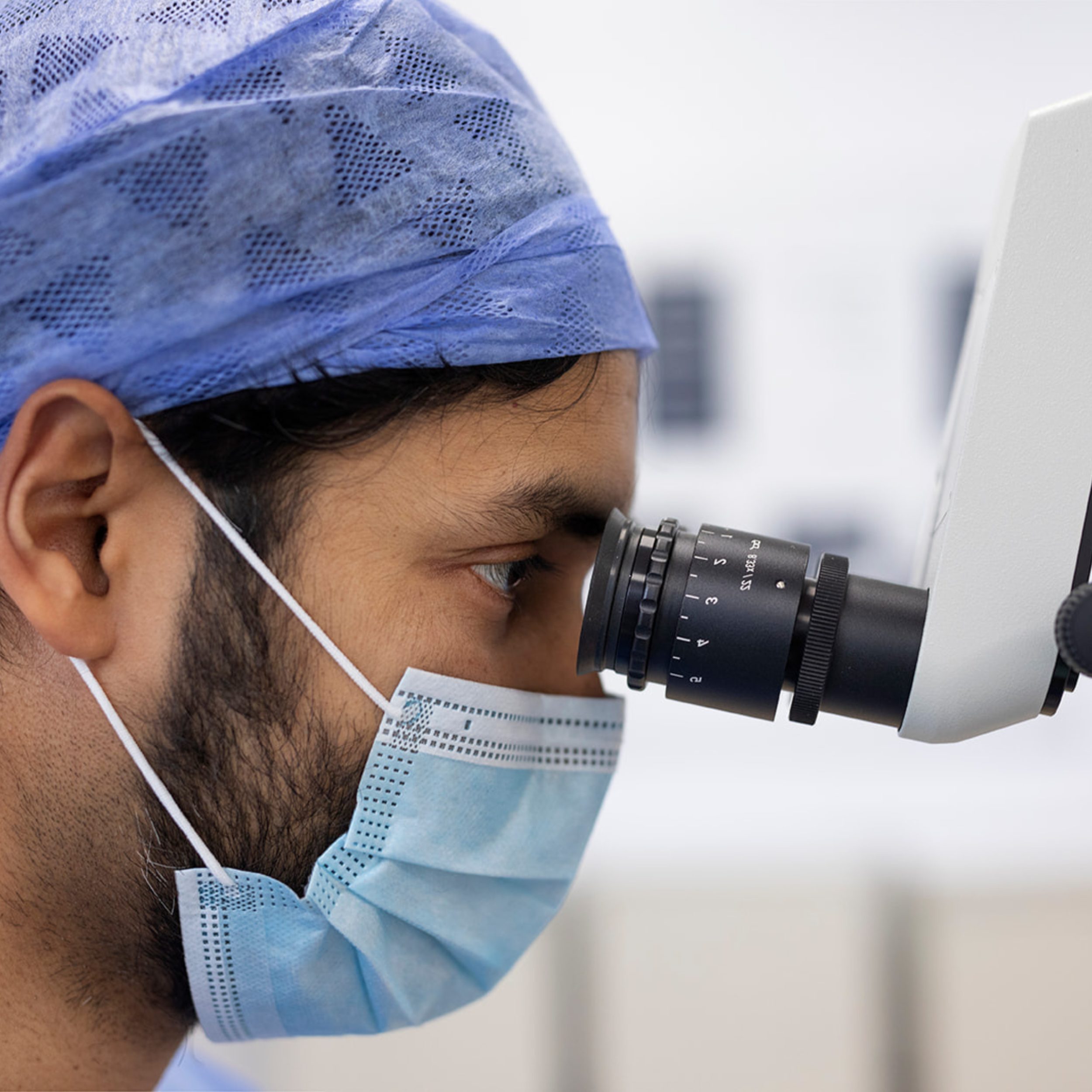
The only effective treatment for cataracts is surgery, where the cloudy lens is replaced with an artificial lens implant. This procedure is performed by highly trained eye specialists in a hospital or clinic.
Your ophthalmologist or optometrist will discuss your options based on your individual circumstances.
Frequently Asked Questions About Cataract Surgery
A cataract is when the natural lens within your eyes becomes cloudy and limits your vision. Often they are there and you may not know that they are present until your optician tells you.
Cataracts are a clouding of the eye’s natural lens, which normally focuses light onto the retina. This clouding occurs when proteins within the lens start to clump together, obstructing clear vision. While the exact cause isn’t always known, several factors can contribute to their development:
It’s important to note: While these factors can increase the risk, not everyone who has them will develop cataracts. Regular eye exams are crucial for early detection and treatment
The only effective treatment for cataracts is surgery to remove the cloudy lens and replace it with a clear artificial lens called an intraocular lens (IOL). The operation is generally undertaken under local anaesthetic so you are awake. However, the operation is generally quick and fairly straightforward, although complications can occur that impair your vision life-long.
Your vision will gradually improve over the next few days following cataract surgery. However, it’s normal to experience some side effects such as sensitivity to light, a gritty feeling, excessive tearing, blurred vision, or even double vision. These symptoms are common and typically subside within the first few weeks.
It’s important to contact Clarity immediately if you experience any of the following:
These symptoms may indicate a more serious issue and require prompt attention.
Following your surgery it is important that you avoid activities that could increase the risk of infection.
To minimise the risk of infection after cataract surgery, it’s crucial to:
Avoid activities that could introduce germs:
Minimise touching your eyes: It’s natural to want to rub or touch your eyes, but this can easily introduce bacteria, viruses, and other particles.
Maintain excellent hand hygiene: Wash your hands frequently with soap and water, especially before and after touching your eyes or face.
Clean frequently touched surfaces: Disinfect surfaces like door handles, phones, and taps regularly using disinfectant wipes.
Driving immediately after surgery is not advised. The use of local anaesthesia and the impact of surgery on your vision would make it difficult to drive safely. Extra light sensitivity and a loss depth perception (because binocular vision is limited) will also affect your ability to drive.
Your vision will steadily improve over a few days and typically reaches a level suitable for driving purposes after 2-4 days. You can test this yourself by checking if you can read a car number plate at 25 generous paces. If you can read the number, and you feel confident to drive, then you may do so.
Avoid Heavy Lifting:
Heavy lifting can increase pressure within your eyes, potentially interfering with healing and causing damage.
For the first 7-10 days, avoid strenuous activities like heavy gardening, running, hill walking, and carrying heavy loads (including golf bags).
Also, minimise activities that increase intraocular pressure, such as bending over to pick things up or reaching high.
Prepare Your Home:
In the week before surgery, assess your daily routine.
Identify tasks that involve bending, reaching, or straining.
Eliminate easily avoidable tasks by:
Reduce Airborne Particles:
Vacuum and clean your home thoroughly before surgery to minimise exposure to pet hair, dander, dust, and dirt.
Continue regular cleaning after surgery, but prioritise rest.
Ask your partner, friends, or children to assist with housework.
Key Points:
This information is for general guidance only.
Always follow your surgeon’s specific instructions.
If you have any concerns, contact your doctor immediately.
If you’re having cataract surgery on both eyes, there will typically be a week or two between procedures. This allows your first eye to fully recover before the second surgery. This period can feel a bit unusual as you’ll experience a temporary disparity in vision – one eye with improved sight and the other with your pre-surgery vision.
Managing Vision During the Interval:
You should start to notice an improvement in your vision within a few days to a few weeks after cataract surgery. However, the exact timeframe can vary depending on individual factors such as your age, the severity of your cataracts, and your overall health.
Within the first few days: Many people experience a noticeable improvement in vision clarity almost immediately after surgery. However, it’s also common to experience some blurriness or fluctuations in vision during this time as your eye heals and adjusts to the new intraocular lens (IOL).
Within the first few weeks: Your vision should continue to improve gradually over the next few weeks as the inflammation and swelling in your eye subside.
Full recovery: It may take several months for your vision to fully stabilise and reach its optimal level of clarity.
It’s important to note that this is just a general guideline, and your individual experience may vary. If you have any concerns about your vision after surgery, be sure to contact Clarity and we can monitor your progress and answer any questions you may have.
We sincerely hope you’ll be delighted with the results of your cataract surgery. For many of our patients, the long-term benefits extend beyond improved vision.
Freedom from blur and the fear of vision loss: This brings immense relief and a newfound sense of independence.
Enhanced colour perception: Many Clarity patients report experiencing colours with renewed vibrancy and clarity, often for the first time in years.
Improved overall vision: You can expect to achieve a level of sight you may not have experienced in a long time.
The degree of improvement will vary depending on the severity of your cataract. Even with early-stage cataracts, you’ll likely notice a significant improvement, such as reduced reliance on glasses.
If you’re recovering well from your cataract surgery and have no concerns, a follow-up appointment with your Clarity surgeon is not always necessary.
However, if you have any questions, concerns, or simply desire the reassurance of a follow-up consultation, please don’t hesitate to contact us. We’re happy to schedule an appointment for you.
Got another question? Speak to our team to find out more. Contact Us
You can self-fund, or take advantage of our finance packages available to pay for your treatment.